What We’re Missing in Community Sport: Visibility, To Be Counted
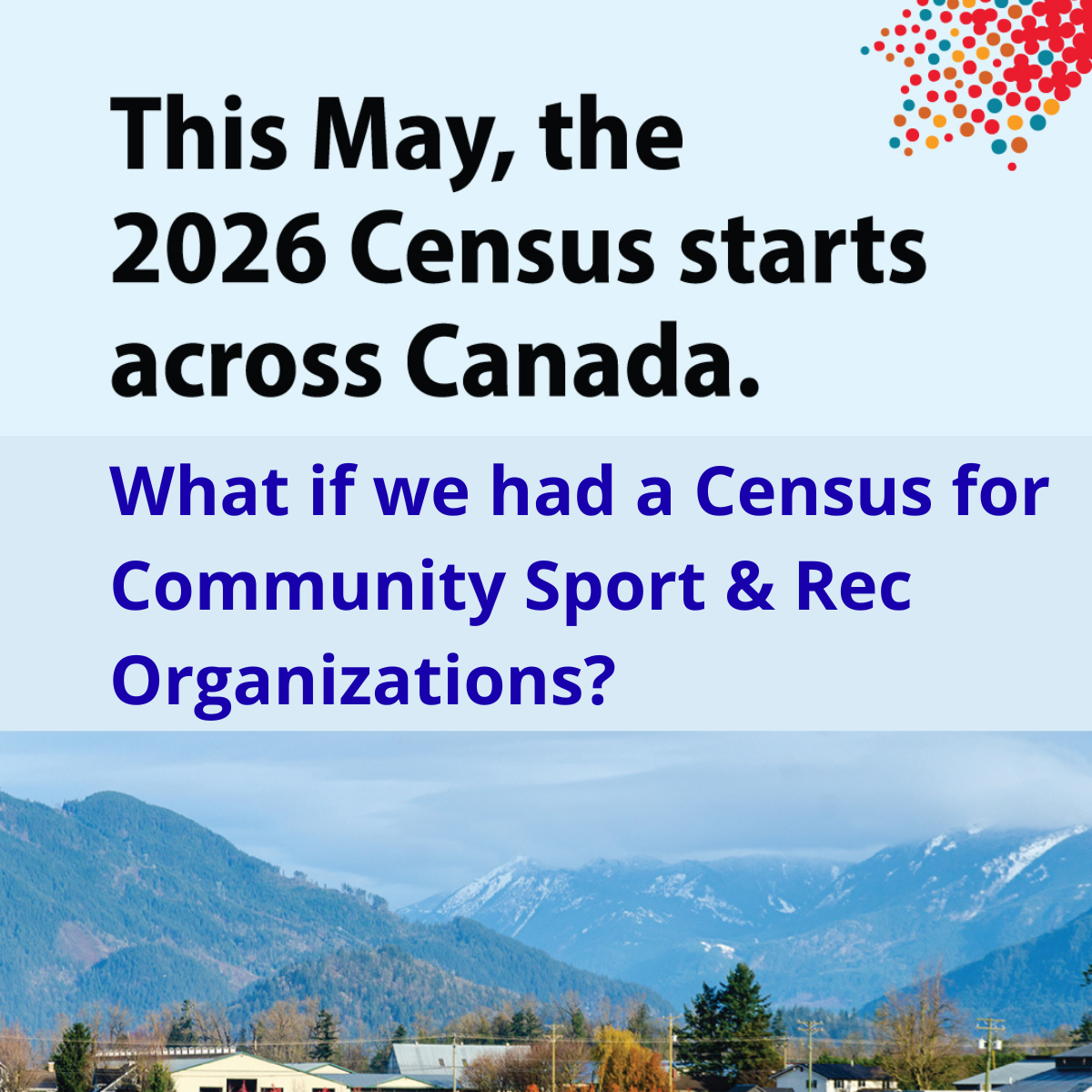
Back in 1986, I took a summer job working on the Canadian census.
One of my responsibilities was following up with households that hadn’t submitted their forms. It was simple work, but it left a lasting impression:
👉 If you don’t have the data, you don’t really know what’s happening.
Fast forward to 2019.
While working with the Newmarket Minor Softball Association, I was invited to submit a brief to the Canadian House of Commons as part of Motion M-206, studying youth fitness and physical activity levels.
At the time, we were operating as a fully volunteer-run organization. Like many community sports groups across Canada, we were focused on delivering programs, supporting families, and creating a positive experience for young athletes.
But when we stepped back and looked at what we were actually delivering, the numbers told a much bigger story:
- Over 700 hours of programming annually
- Over 4,000 volunteer hours
- Hundreds of participants
- Thousands of dollars reinvested into the community
All organized and delivered locally, by volunteers.
That’s when something clicked.
This Isn’t Just a League
What we were running wasn’t just a sports league.
👉 It was a community-based service delivery system.
Now multiply that across Canada.
Thousands of organizations.
Millions of hours of programming.
Tens of thousands of volunteers.
And yet…
We don’t have a complete picture of it.
The Visibility Gap
In our 2019 brief, one of the biggest challenges we identified was not just funding or facilities.
It was visibility.
Families couldn’t easily find all available programs.
Organizations were left to promote themselves.
There was no centralized way to understand what actually existed at the grassroots level.
So we made a recommendation:
👉 Canada needed a better information model
👉 A centralized way to connect families with community sport
Seven Years Later… The Problem Hasn’t Changed
If anything, expectations have increased.
Today, community sport organizations are expected to deliver:
- Inclusive and accessible programming
- Safe sport environments
- Trained coaches and officials
- Positive developmental outcomes
And those expectations are important.
But at the local level, most organizations are still working to:
- Recruit enough volunteers
- Schedule games and practices
- Register participants
- Manage costs and equipment
That’s the reality.
Expectation vs. Support
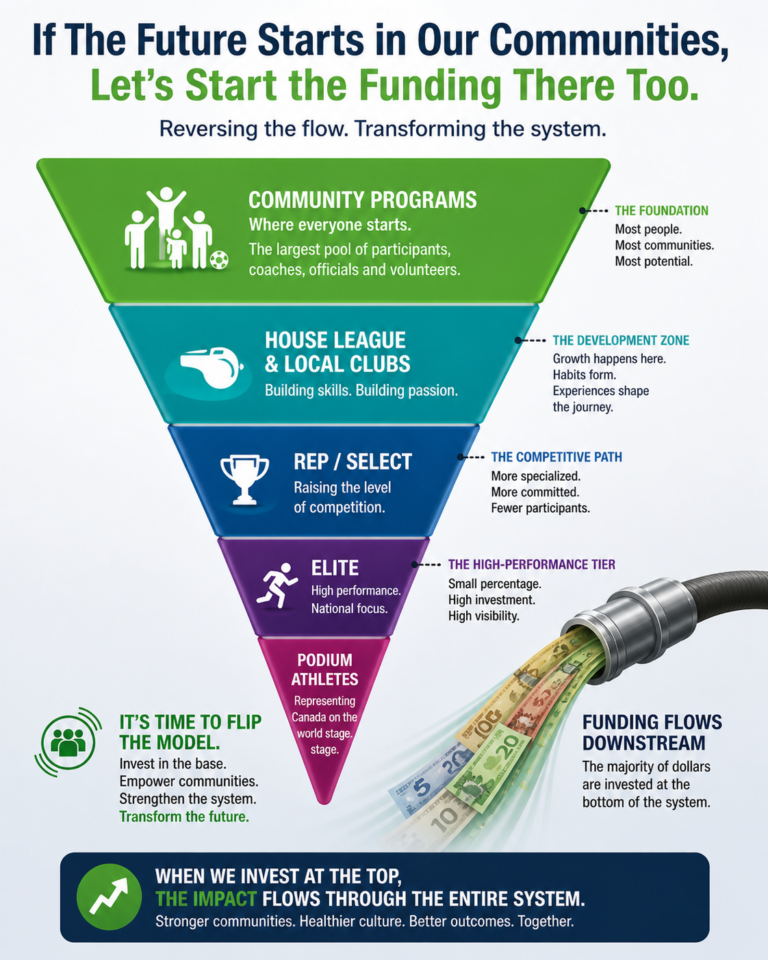
We are asking more from community sport than ever before.
But we are not always supporting it like a connected system.
The issue isn’t effort.
👉 The issue is visibility.
A Different Kind of Census
This brings us back to that original idea.
What if we applied the same thinking behind a national census to community sport?
Not once every five years…
But continuously, in real time.
What if we could:
- Identify every organization
- Understand what they deliver
- Make them visible and accessible
- Use that data to inform better decisions
That’s what a community sport census represents.
Why This Matters
Better visibility leads to:
- Better access for families
- Better planning for communities
- Better alignment for funding and support
- Stronger connections between organizations
And ultimately…
👉 Better outcomes for participants
Where This Is Going
This idea has evolved over time, but the goal remains the same:
👉 Make community sport easier to find, easier to support, and easier to grow
Because across Canada, there are thousands of organizations doing incredible work every day.
We just need to see them.