Was 1998 the year the slow, seismic shift began—moving amateur sport in Ontario from schools to the community?
Here’s my take.
What began as a quick stroll down memory lane—flipping through my Grade 13 yearbook from the (then) City of North York—quickly turned into something else entirely.
I was struck by just how many sports teams and clubs were offered. Nearly 20 in total. Basketball, volleyball, football, soccer, hockey, curling, swimming, dance, rugby—across multiple levels and age groups.
That was then.
So what happened?
What happened to the depth and breadth of sport programming that once made schools the primary gateway to participation from the 1960s through the 1990s?
I did some digging—and there it was.
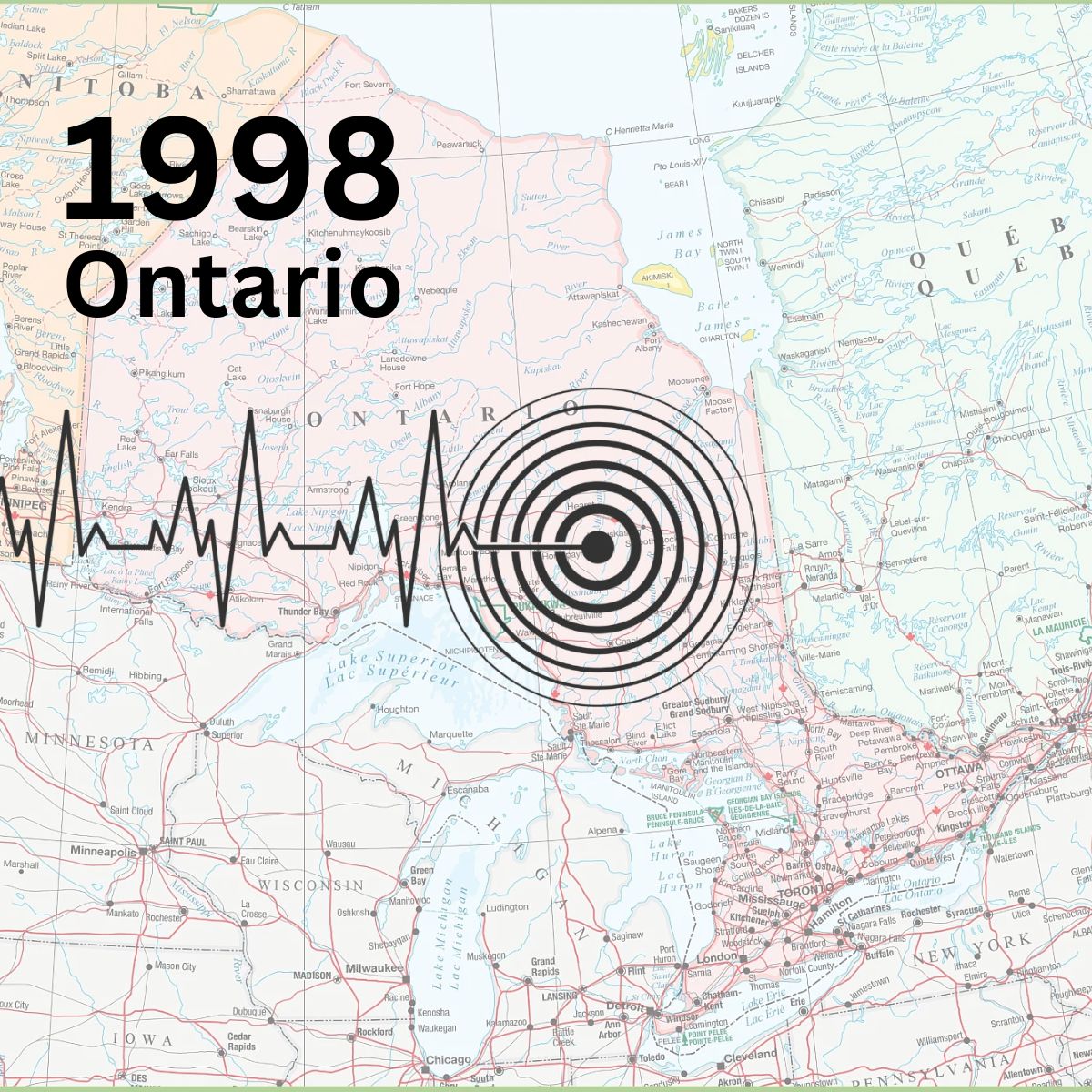
Ontario. 1998.
That was the year the province replaced the old model—provincial grants plus locally raised school board property taxes—with a centralized funding formula.
Funding didn’t disappear.
It got prioritized differently.
Less of it flowed into sport programming inside schools.
At the same time:
- liability, risk, and supervision increased
- teacher workload and expectations changed
- coaching shifted from expected to optional
Access to sport didn’t disappear.
It moved.
The rise of the community sport sector followed—rep teams, house leagues, private academies, specialized training.
In a way, sport didn’t decline.
It outsourced itself.
And with that shift came something bigger.
We moved from:
- free, school-based access
to - a pay-to-play community model
Access still exists.
But it’s no longer equally accessible.
We didn’t just move sport outside of schools.
We fragmented it.
Instead of one place, we now have hundreds of disconnected providers.
Instead of built-in participation, we have uneven access.
Instead of universal exposure, we have variable visibility.
That realization took me back to a very real challenge I faced while leading a girls softball association in Newmarket.
If we didn’t lose amateur sport—and it simply moved out of schools—then we also forgot to build a system to connect people back to it.
Because here’s what still exists:
- school gyms
- fields
- courts
- tracks
- ball diamonds
- parking
- transit access
- walkable neighbourhood locations
The infrastructure didn’t disappear.
It’s sitting there—underutilized for large portions of the day.
So instead of trying to go back to the “good old days”…
What if we moved forward?
What if schools didn’t go back to delivering sport—but instead became hosts of sport ecosystems?
What would it look like if local sport organizations:
- ran programming inside schools
- activated facilities after school, evenings, and weekends
- created access points directly within communities
Here’s the challenge:
No one owns the connection layer.
- The Province funds education
- School boards operate schools
- Municipalities operate recreation facilities
- Clubs run programs
It’s fragmented.
No single entity connects it all.
And yet…
When I dug deeper, I found something interesting.
The York Region District School Board—with over 200 schools—already has policy language that:
- encourages facility partnerships
- promotes community-based collaboration
- supports roles dedicated to connecting schools with community resources
That’s a signal.
The system isn’t closed.
The door is already open.
💡 The Big Idea
What if even a fraction of those 200+ schools became active community sport hubs?
- Schools provide space
- Organizations provide programming
- Families gain access
Suddenly:
- thousands more families can discover local opportunities
- organizations gain reliable access to facilities
- communities reduce pressure on municipal infrastructure
🎯 What This Solves
1. Access
Programs closer to home. Walkable. Transit-friendly. More entry points.
2. Capacity
More space. Less scrambling. Fewer waitlists. Room to grow.
3. Infrastructure Pressure
Better use of existing assets. Less need to build new facilities.
This isn’t a silver bullet.
But it is a transformational piece.
And it’s low-hanging fruit.
In a follow-up piece, I’ll walk through what a pilot could look like in York Region—and how a model like this could scale across Ontario and beyond.
Because the opportunity isn’t theoretical.
The infrastructure is already here.
We just need to connect it.